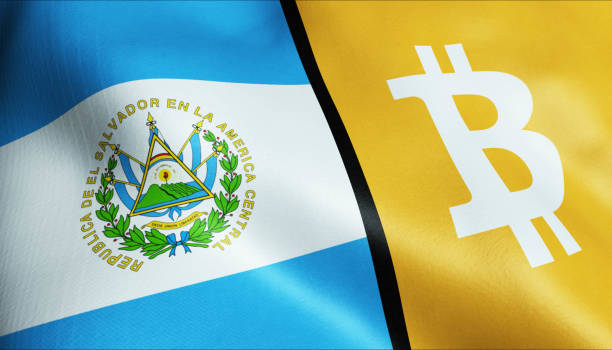
El Salvador has bolstered its Bitcoin reserves by adding 12 BTC, bringing its total holdings to 6,044 BTC, valued at approximately $620 million.
This move reaffirms the country’s commitment to Bitcoin, even after agreeing to scale back some initiatives as part of a $1.4 billion IMF financing deal. Key adjustments include optional BTC acceptance for businesses and reduced government involvement in the Chivo wallet.
Despite these compromises, the nation’s Bitcoin strategy remains firm, with National Bitcoin Office Director Stacy Herbert reiterating its commitment to fostering financial innovation.
El Salvador’s crypto-friendly policies have attracted global players like Bitfinex Securities, which launched tokenized U.S. Treasury bills, and Tether, which relocated its headquarters to the country after securing a Digital Asset Service Provider (DASP) license.
El Salvador continues to position itself as a leader in global Bitcoin adoption and a hub for digital asset innovation, balancing international obligations with its long-term crypto ambitions.
Although Bitcoin adoption in El Salvador is slow, surveys show 92% of Salvadorans did not use cryptocurrency for transactions in 2024, up from 88% in 2023.
Meanwhile, Bhutan has quietly advanced its crypto strategy, mining Bitcoin for years and accumulating around $780 million in digital assets, according to Arkham Intelligence.
These contrasting examples highlight diverse approaches and varying levels of engagement with digital assets across nations.
Image Credit: Pixabay



Keep in mind that we may receive commissions when you click our links and make purchases. However, this does not impact our reviews and comparisons. We try our best to keep things fair and balanced, in order to help you make the best choice for you.
