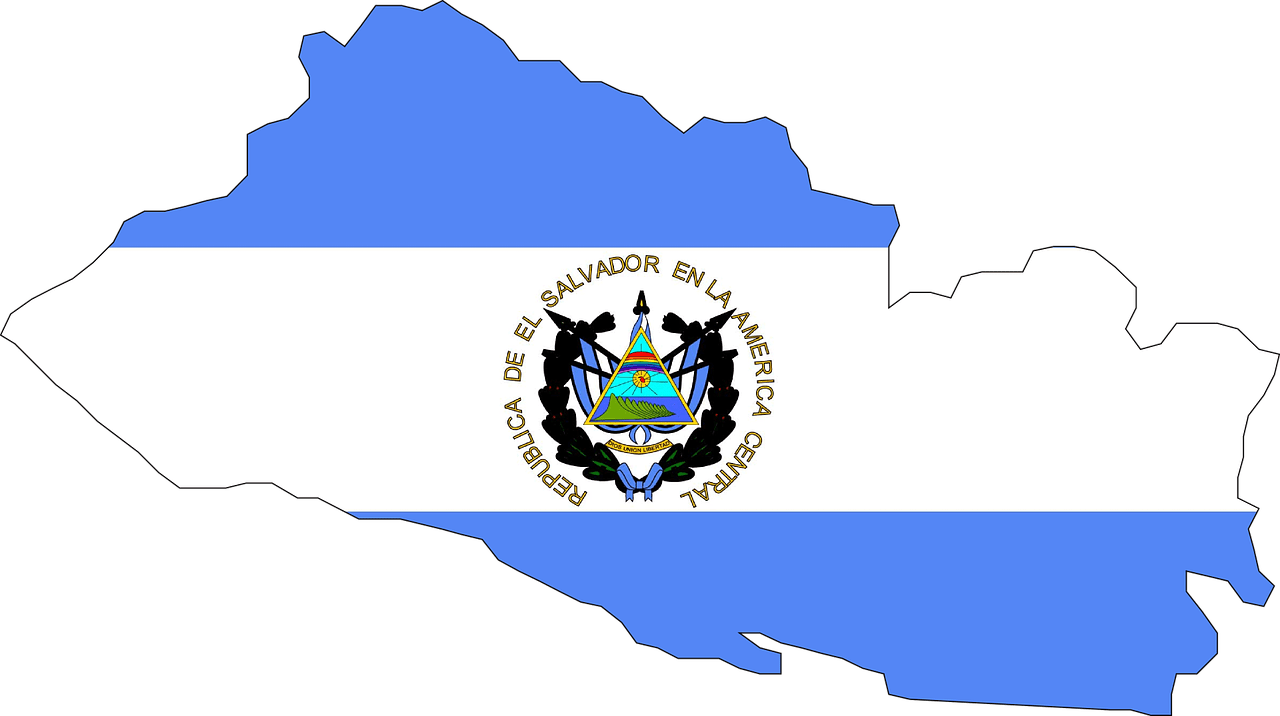
Salvadoran President Nayib Bukele recently shared his thoughts on the country’s adoption of Bitcoin as a legal tender, expressing that the integration of the cryptocurrency into Salvadoran society hasn’t met his expectations.
In an interview with Time magazine published on August 29, Bukele acknowledged the positive impact Bitcoin has had on El Salvador but admitted that its adoption has not reached the level he had hoped for.
“Much more could be done,” Bukele stated. “Bitcoin hasn’t seen the widespread adoption we envisioned.
Many Salvadorans use it, and most large businesses accept it. You can pay with Bitcoin at McDonald’s, supermarkets, or hotels. But it hasn’t achieved the adoption we anticipated.”
Bukele also addressed his portrayal in Time as “the world’s most popular authoritarian” in a post on X (formerly Twitter). Since his election in June 2019, El Salvador has experienced a significant drop in its homicide rate, but Bukele’s administration has faced criticism for alleged human rights violations, particularly related to its aggressive anti-gang measures, which include detaining government critics.
Bukele has firmly defended his policies, asserting that El Salvador is now “the safest country in the Western Hemisphere” and denying the use of excessive force, such as tear gas or batons, against protesters.
“Everything in life has a cost, and being labeled authoritarian is too minor a cost to bother me much. I don’t like it, but it doesn’t keep me up at night either,” Bukele commented.
Bukele’s interest in cryptocurrency first drew global attention in 2021 when he announced plans at the Bitcoin Conference in Miami to adopt Bitcoin as legal tender. Since then, he has launched projects like the volcano-powered “Bitcoin City” and a citizenship program for those investing at least $1 million in Bitcoin or USDT. Bukele continues to make headlines with his regular Bitcoin purchases, often announced on X, with around $400 million reportedly held in the country’s “public wallet.” Following a recent electoral victory in February, Bukele is set to remain president until 2029.
Image Credit: Pixabay



Keep in mind that we may receive commissions when you click our links and make purchases. However, this does not impact our reviews and comparisons. We try our best to keep things fair and balanced, in order to help you make the best choice for you.
